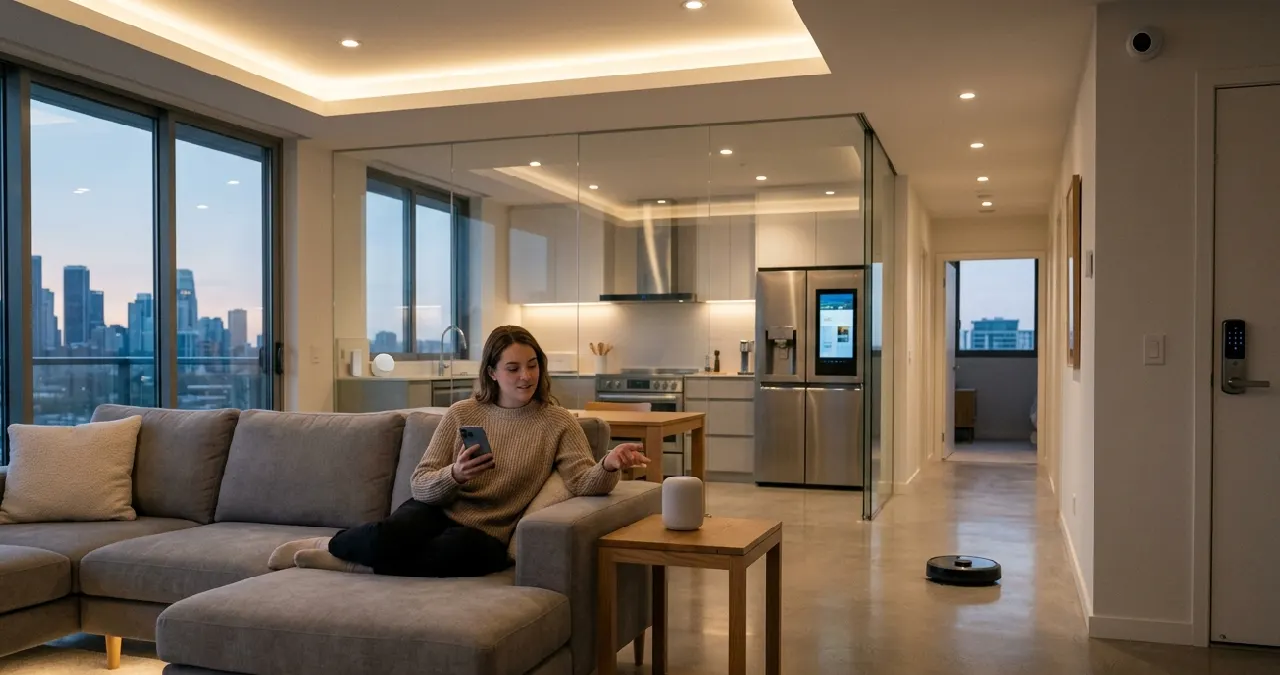
Considering a few years back, something like present-day technology was just an imagination before. Can you believe controlling your door locks, lights, and even turning on and off your AC and washing machine remotely, operated elsewhere? Sound unbelievable, right? Thanks to innovators, developers, and engineers for making the ideas a reality.
This is how smart home technology will change lives. According to the data from Grandview Research, the smart home market size in the US was USD 23.72 billion as of 2024. The projected growth is expected to increase by 23.4% CAGR from 2025 to 2030. This growth indicates the steady increase in the adoption of smart home technology. Go through the 7 automation ideas.
7 Smart home technologies with automation ideas
Control Smart home devices with a voice assistant
Voice assistants like Google Home and Amazon Echo are becoming a breakthrough that defines how smart home technology is becoming part of our household necessities. Installation of the voice assistant device helps us control the household appliances, thermostats, and lights remotely. The smarter technology led by voice assistants helps to control the home devices in your house just by voice.
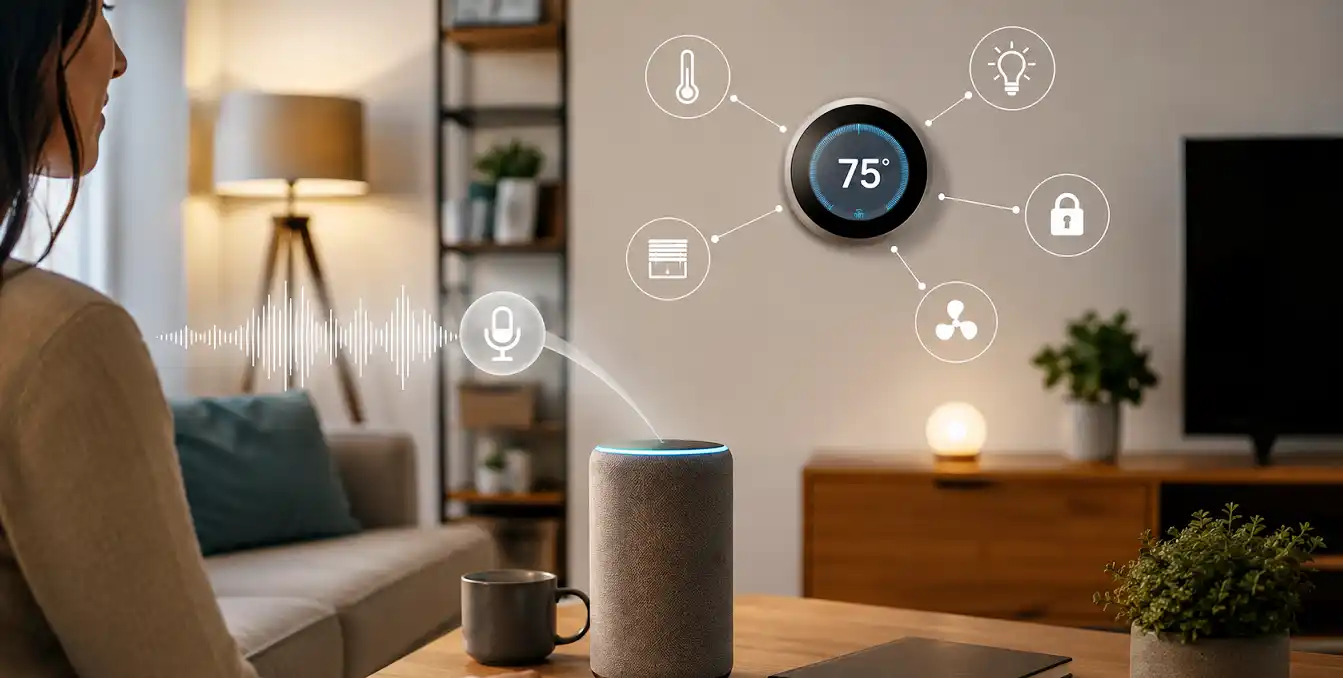
Suppose I have a smart thermostat in my home connected to my home wifi. Now the Google Assistant or Amazon Echo helps me set the entryway temperature at my home at my convenience. Suppose I tell it to set my thermostat temperature to 75 degrees; it will eventually set the temperature based on my voice command. This is how technology shapes our lives, making the task more convenient and easily manageable.
Automate temperature control & lighting: Smarter Technology for Energy Management
Do rising monthly bills raise your eyebrows? Knowing the way for controlling the energy consumption helps you to make temperature optimization, save the waste of energy, and reduce your monthly bills.
Suppose you have a smart lighting tool at your home. It has occupancy sensors that schedule lights to be turned off in empty rooms, followed by dimming options that cut the cost of unnecessary consumption further.
Using a Wi-Fi-enabled thermostat helps to manage the regulation for air conditioning and remotely handle temperature, which can cut the utility bill. Some of the thermostats include Emerson Sensi ST55, ecobee, and Google Nest.
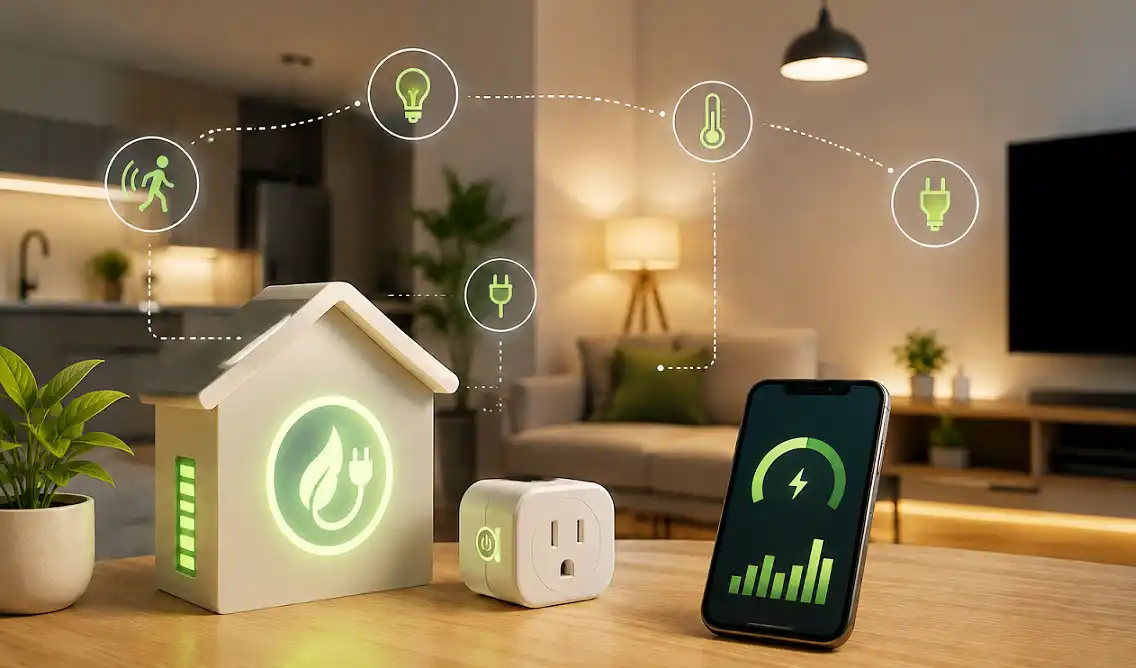
Suppose you don’t want to spend your money on unnecessary electricity consumption. What are you doing next? Smart plugs and power strips are instrumental in cutting the cost associated with “phantom load”; this means they are helpful to reduce electricity cost even when switched off but still plugged in. The scheduling option allows you to cut power to TVs and appliances during off-hours, thus saving your money and energy wastage simultaneously.
Automation in home entertainment
Think of giving your digital home entertainment experience a scintillating vibe, refreshing your mood and mind. In contemporary times, you just need to automate your audio and video to enjoy your favourite show by synchronising your speaker, smart TV, and streaming service.
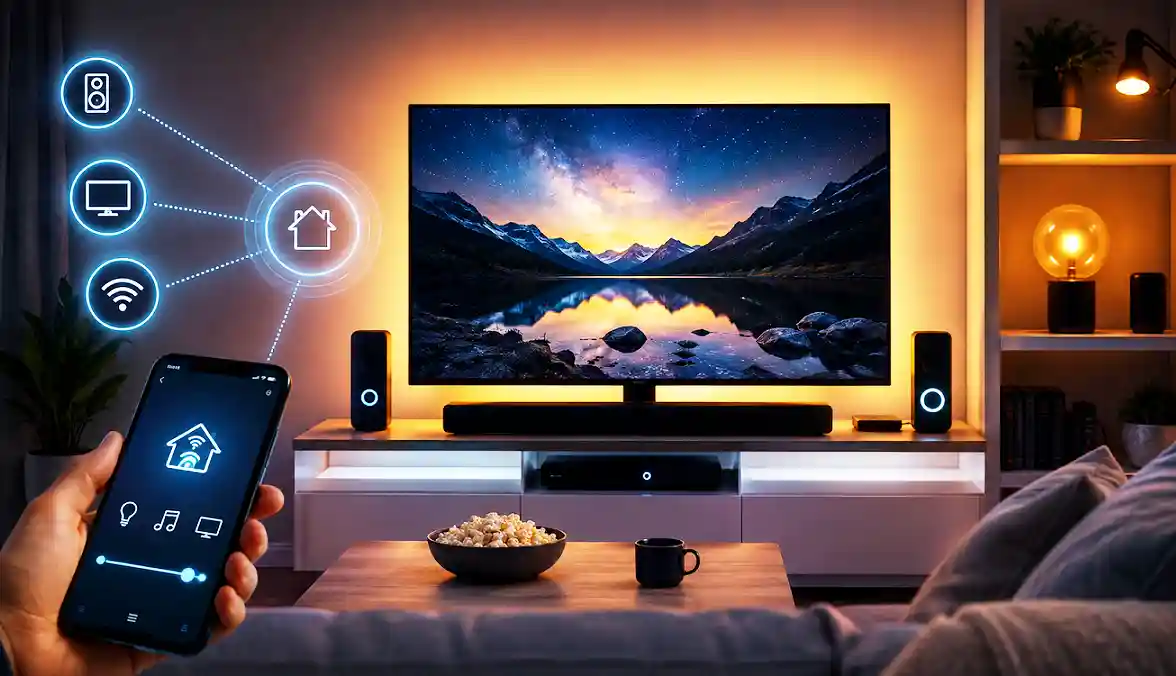
Compare the effort of separately grabbing three remotes you did years back while manually adjusting each. Truly speaking, it is not just convenience but the daily friction you come across while enjoying the movie or show. Many users in the US go for the Amazon brand for Fire TV and Echo hubs, while Google TV Streamers, Apple TV 4K, and the usage of Nest Hubs also skyrocket. This is how smart home technology with automation ideas changes your home entertainment experience.
Automated door locks and motion sensors for home security
In the home security system, smart cameras and automated door locks are advanced security features.
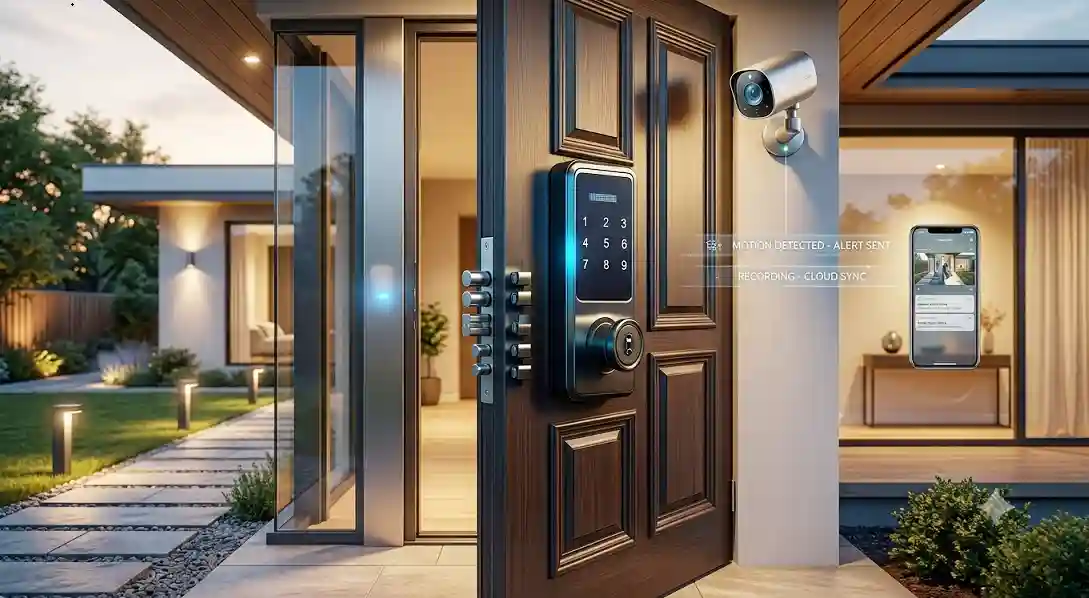
If you want to monitor your property in real time, the motion sensors help you receive alerts in real time to make your communication continually pursue even when you are not residing at your home. Lockly, Schlage, and Yale Home are some of the smart lock brands in the US. Many devices have an option for cloud storage that would help you to analyse information from recorded footage to know any type of activities that seemingly become suspicious.
Smarter device for Home health monitoring
Home health monitoring devices help you to keep track of health records in real time, and they help navigate any health issue detection in a sleek and easily manageable way. It would, meanwhile, also be instrumental in making a healthy living space in your surroundings by properly gauging the humidity, temperature and other factors in the living space.
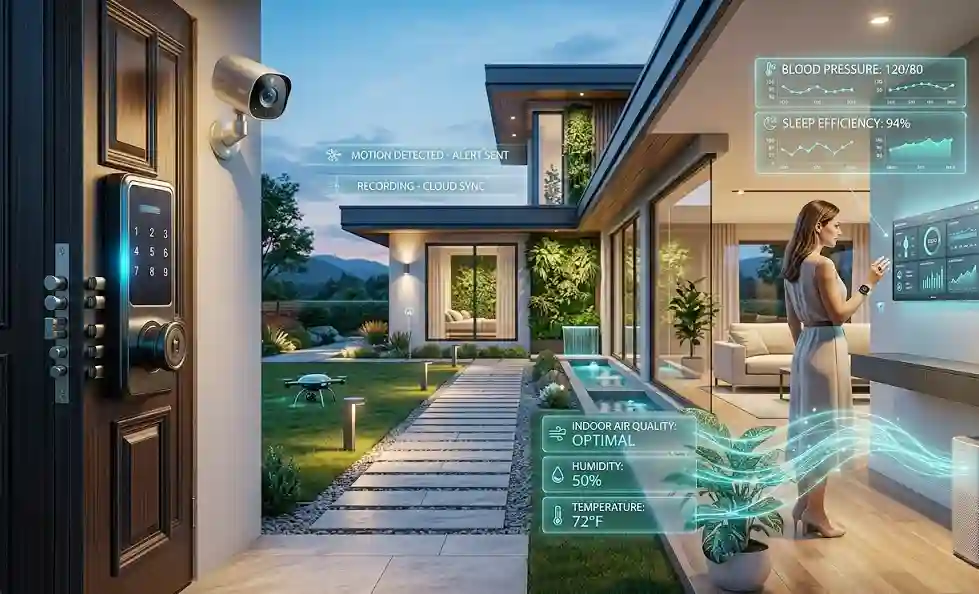
The smart technology that is connected to home health monitoring gives wellness and comfort while integrating with the smart health device. Wearable devices may be complementary to Home health monitoring and act as a helpful tool for routine monitoring of health. If you are a US resident, top home health monitoring wearables available in the market include Apple Watch Series 11, Bay Alarm Smartwatch and Garmin Venu 4. Although the devices are helping with routine health checking, they should never be a substitute for professional diagnosis or medical advice.
Kitchen and laundry upgrades with smarter appliances
If you have made up your mind to cut costs for unnecessary energy wastage and are also mindful to save your time, then going for Kitchen and laundry upgrades with smarter appliances is a good move. In contemporary times, energy usage is meticulously scheduled, and remote preheating is also done along with grocery list maintenance.
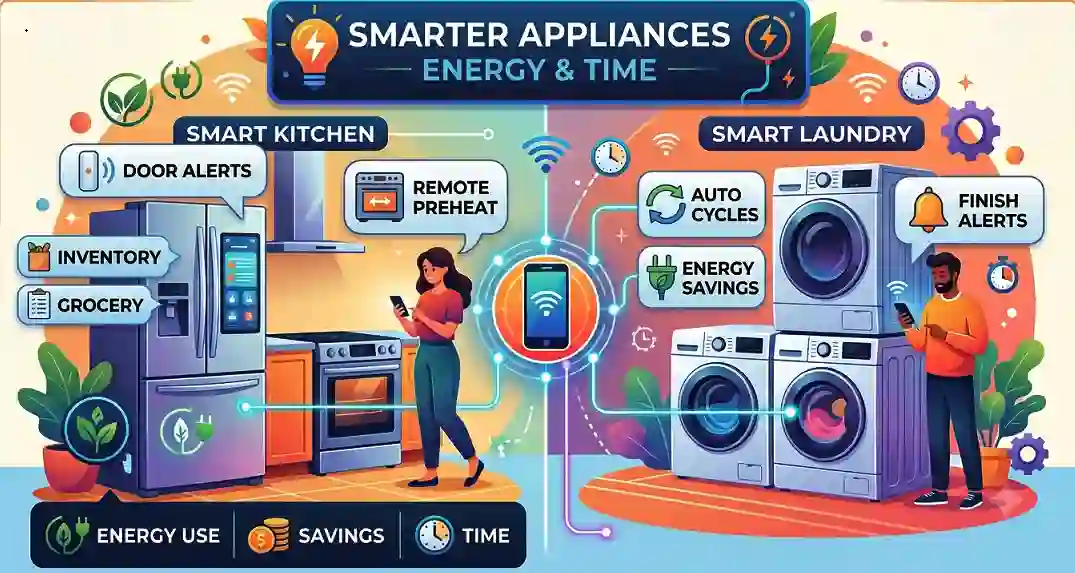
The household management is made easy with smarter appliance integration. On refrigerators and freezers, placing contact sensors will help you set off immediate alerts that save any undesirable things from happening.
Leak Detection & Sensors to receive mobile alerts
Another smart feature of home technology is its ability to protect the home from frustrating leaks and any unexpected natural incident like flooding. The detection of floods at an early onset helps to avoid any mishap before they actually happen.
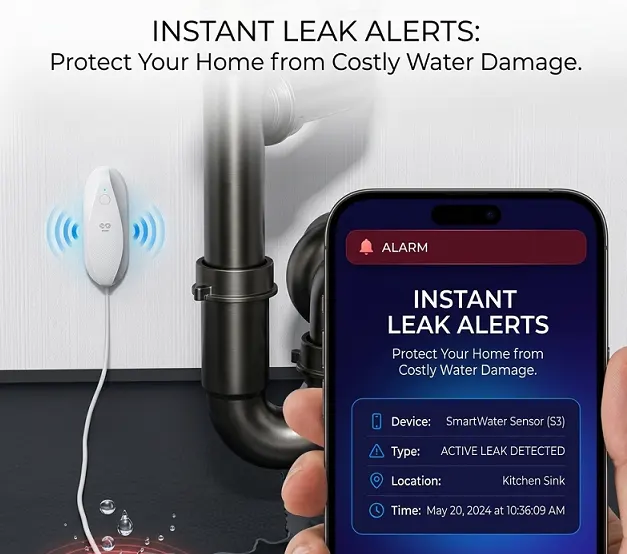
In the US market, there are a plethora of products in US market that come under the leak sensor category, driven by whole-home automation system detect any leaks if any arise. Some of the popular products in the U.S. market are Govee Wi-Fi Water Leak Detector, Flo by Moen Smart, and First Alert L1.
According to the U.S. Environmental Protection Agency, the average value of waste for U.S. households is 180 gallons of water on a per-week basis or for annual consideration, it is around 9,400 gallons. Thanks to IoT sensors for leak detection that are competent to make steadfast monitoring of the water flow and giving alerts to homeowners after detection of any leaks.
Why to embrace smart home technology-before vs after
Myriad reasons pinpoint the necessity to embrace smart home technology. Go through the table to know how it changes life through the before vs after comparison.
| Traditional home | Smart-home automation |
| Manually switch off lights | Lights turn off automatically |
| Check doors manually | Smart locks provide status/automation |
| Adjust thermostat repeatedly | Temperature schedules automatically |
| Discover leaks after damage | Sensors can send early alerts |
| Use multiple remotes | Create unified entertainment routines |
| Remember appliance schedules | Smart plugs/appliances automate schedules |
| Manually monitor some home conditions | Sensors provide remote notifications |
Wrapping up
Embracing smart home technology helps you manage your utility bills, strengthen your residential security, gauge instant updates on any unobservable leak and become a companion to enjoy entertainment. Making automation for changing your life is not a one-day task. You need to understand your pain points and act accordingly. Considering smart home innovation ideas definitely would become your solution to never juggle with trouble and help to make your task handling more convenient.
Frequently asked questions (FAQs)
It is not always necessary to have a hub to run a smart home. Many devices are seen to work fine with a phone app and a Wi-Fi router smoothly without any need for a hub.
Not always, as smart home devices are connected to the internet, and any security compromise may arise if not have enough strategy to safeguard digital security.
To safeguard from any hacking, users need to enable two-factor authentication (2FA), keep software up to date, and use a strong alphanumeric password that is difficult to decode.
In the US, the smart home market is projected to witness a growth of 23.4% CAGR from the year 2025 to 2030.