
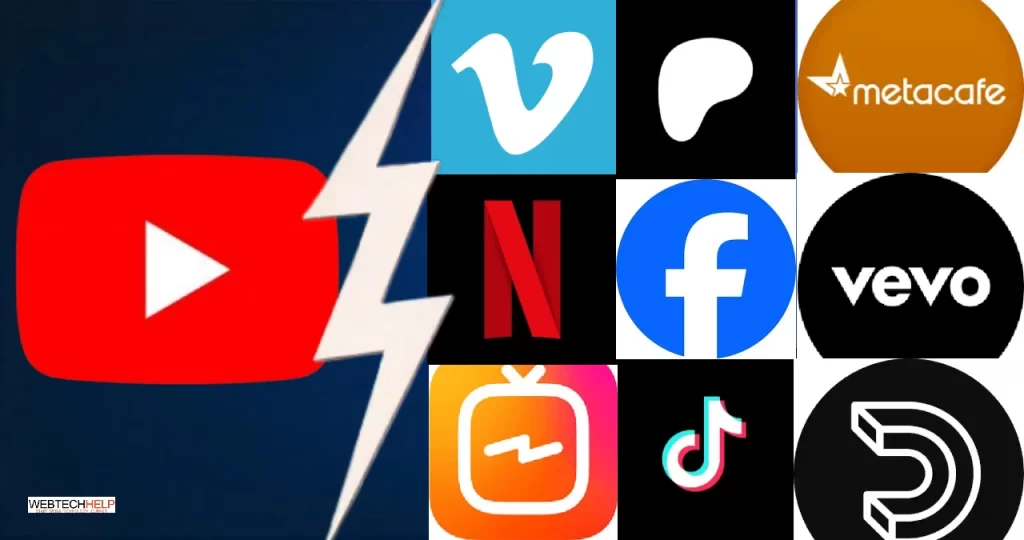
YouTube is still the biggest video platform in the world, but it isn’t the only place people watch or publish video. Short videos, live streaming and private business video have each created strong competitors.
Here are the platforms competing with YouTube, what each does best, and how I’d choose between them as a creator or a business.
Quick comparison
| Platform | Best for | Video style |
|---|---|---|
| TikTok | Reaching new audiences fast | Short vertical video |
| Instagram Reels | Brands and creators already on Instagram | Short vertical video |
| Twitch | Live gaming and community streams | Live streaming |
| Kick | Streamers looking for an alternative to Twitch | Live streaming |
| Vimeo | Businesses, portfolios and ad-free hosting | Long-form, professional |
| Facebook Video | Community and local audiences | Mixed, plus live |
| Dailymotion | Publishers and news-style video | Long and short |
| Rumble | Creators looking for an alternative platform | Long-form and live |
1. TikTok
TikTok made short, vertical video mainstream. Its recommendation feed can put a brand-new account in front of huge audiences, which is why many creators start there. YouTube Shorts is YouTube’s direct answer to TikTok.
Best for: fast discovery, trends and younger audiences.
2. Instagram Reels
Reels brings short video to Instagram’s existing audience. For businesses already active on Instagram, Reels is often the easiest way to add video without building a new following from scratch.
Best for: brands, local businesses and lifestyle creators.
3. Twitch
Twitch is the leading home for live streaming, especially gaming. Its strength is real-time community: chat, subscriptions and live interaction.
Best for: live creators who stream for hours and build loyal communities.
4. Kick
Kick is a newer live-streaming platform that has attracted some big streamers with creator-friendly revenue terms.
Best for: streamers who want an alternative to Twitch.
5. Vimeo
Vimeo has moved away from competing for viewers and focuses on businesses: ad-free hosting, privacy controls, video marketing tools and team features.
Best for: companies, agencies, filmmakers and course creators who want control over their videos.
6. Facebook Video
Facebook video and Facebook Live still reach large community and local audiences, especially older viewers.
Best for: community groups, local businesses and live events.
7. Dailymotion
One of YouTube’s oldest rivals, Dailymotion is popular with publishers and news outlets.
Best for: media companies and news-style content.
8. Rumble
Rumble positions itself as an alternative video platform with different content rules and monetisation options.
Best for: creators looking for another platform alongside YouTube.
How to choose (my advice)
- Want to be discovered? Start with short video on TikTok, Reels or YouTube Shorts.
- Want long-term search traffic? YouTube is still unbeaten, because videos keep getting found for years.
- Want to stream live? Twitch or Kick.
- Running a business website or course? Vimeo for clean, ad-free hosting.
For most creators and businesses, the smart move isn’t leaving YouTube. It’s repurposing: publish the main video on YouTube, then cut short clips for TikTok and Reels.
Frequently asked questions
What is YouTube’s biggest competitor? For short video, TikTok. For live streaming, Twitch. For business video hosting, Vimeo.
Is there a YouTube alternative without ads? Vimeo offers ad-free viewing for videos hosted there. YouTube Premium also removes ads on YouTube itself.
Can I post the same video on several platforms? Yes, but adapt it. Vertical, short and captioned for TikTok and Reels. Longer and searchable for YouTube.
Related guides on WebTechHelp
- 7 Best YouTube to MP3 Converters in 2026: Free, Safe & Tested
- Metastream: How to Watch Videos Together Online (and the Best Alternatives)
- How to get featured on the TikTok For You page
Sources
- Latterly: Top YouTube Competitors & Alternatives (2026)
- Epidemic Sound: The best YouTube alternatives to try
- Features and terms change often, so check each platform before committing.