Digital Marketing
AI Tools for Small Business Marketing: A Practical Guide to What Actually Helps
Where AI genuinely helps small business marketing: content, design, video, ads, email, SEO and customer service, with example tools…

LEARN. SOLVE. DO MORE.
Digital marketing is how a business finds, wins and keeps customers online, through search engines, social media, email, content and paid ads. The platforms change every few months, but the basics don’t: know your audience, reach them on the right digital channels, and measure what actually brings leads and sales. These digital marketing guides and tutorials explain each step in plain language, from your first digital marketing plan to Google Ads, email marketing automation, Google Analytics 4 and AI marketing tools. I write them for small business owners, freelancers and beginners who want results without the jargon.
Practical guides from Safikul Islam & the Leelija team.
what digital marketing is, how the main channels fit together, and how to learn digital marketing step by step.
how to create a digital marketing strategy, write a simple digital marketing plan for a small business and choose the right online marketing strategies.
social media marketing tips, Facebook marketing guides and Instagram marketing strategies to build an engaged audience.
Google Ads tutorials, PPC advertising for beginners and Facebook Ads optimization, so you don't waste your budget.
content marketing strategies and tools, email marketing for beginners, email automation and campaign optimization.
Google Analytics 4 tutorials, conversion tracking, marketing performance tracking and AI digital marketing tools that save time.
Practical help, one step at a time.
Where AI genuinely helps small business marketing: content, design, video, ads, email, SEO and customer service, with example tools…
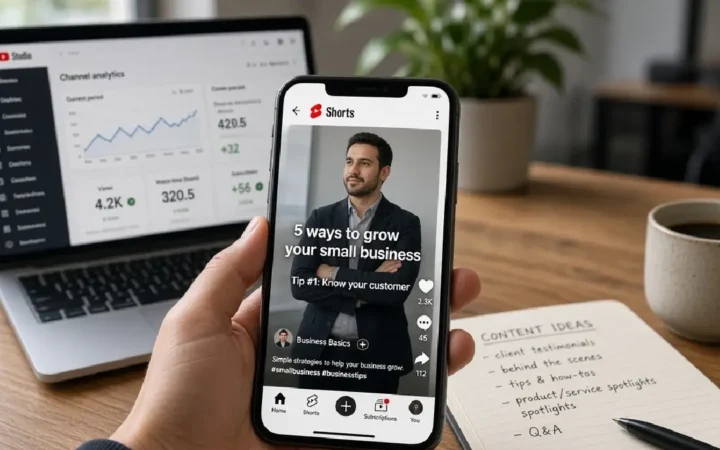
How small businesses can use YouTube Shorts: content ideas, making and optimising Shorts, linking to long videos and measuring…
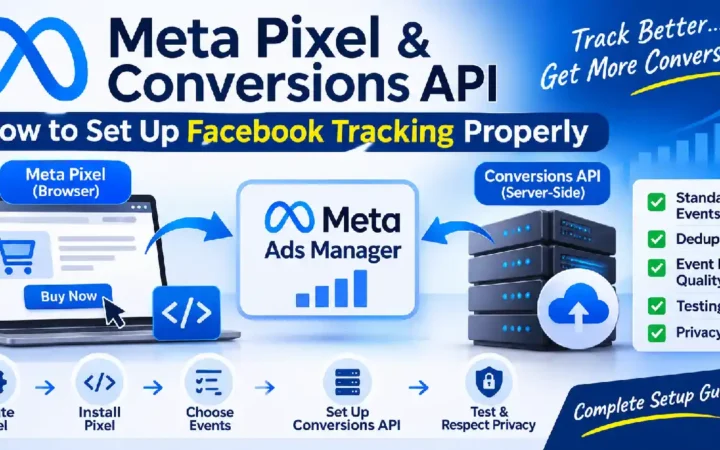
How to set up the Meta Pixel and Conversions API: standard events, deduplication, Event Match Quality, testing and privacy…
LinkedIn marketing for beginners: optimise your profile and company page, understand the 2026 feed, post content that gets reach,…
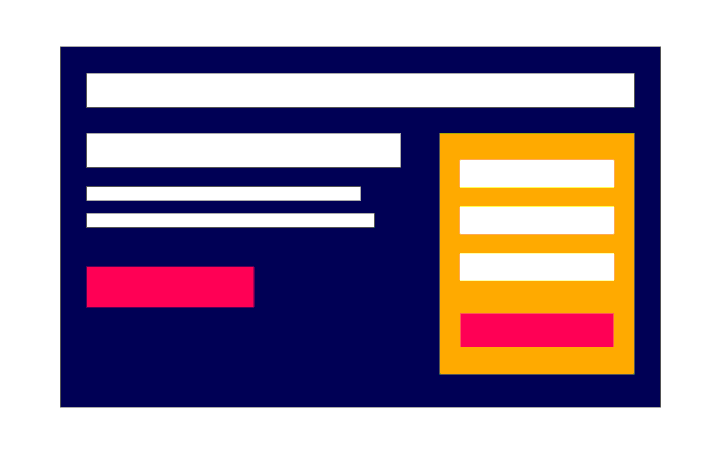
A beginner's guide to landing page optimisation: the anatomy of a high-converting page, speed and mobile, tracking and A/B…
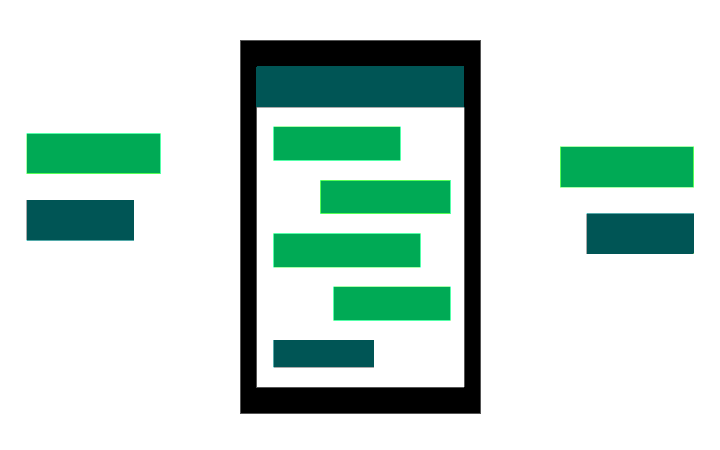
How small businesses can use WhatsApp Business for marketing: app vs Platform, profile and catalogue, automation, click-to-WhatsApp ads, pricing…
A simple path if you're new: start with what digital marketing is and how the channels work together. Then write a one-page plan: who your customer is, what you want them to do (buy, call, book or sign up), and which one or two channels you'll start with. Set up measurement early. Add Google Analytics 4 and conversion tracking before you spend money on ads, so you can see which channels bring customers, not just clicks.
Think in a marketing funnel. Content, SEO and social media build awareness. Helpful offers and email turn visitors into leads. Clear landing pages and conversion rate optimization turn leads into customers. Good service and email keep them coming back. Keeping a customer usually costs less than winning a new one, so don't ignore customer retention.
How I write these guides: I explain each tactic in plain language, link to official documentation from Google, Meta and other platforms where details matter, and say clearly when a tactic needs budget, time or skills. Ad platforms and social networks change their features and prices often, so I update guides when they do. For organic search, see the SEO guides; for building a faster website that converts, see the web development tutorials.
Digital marketing is promoting a business online using channels such as search engines, social media, email, content and paid ads. Unlike most traditional marketing, almost every result can be measured, so you can see which channels bring customers and what each one costs.
Start with the basics: the main channels, your target audience and the marketing funnel. Then pick one channel and practise on a real project, such as a small business, a blog or your own social account. Free courses and help centres from Google and Meta are good next steps.
Usually the one where your customers already look for you. For local businesses that's often Google Search and a Google Business Profile; for visual products it may be Instagram or TikTok. Start with one or two channels and do them well before adding more.
It can start at almost nothing. SEO, social media and email marketing have free tools and mainly cost time. Paid ads cost whatever budget you set, so start small, track conversions and increase spend only on campaigns that show a return on investment.
An analytics tool such as Google Analytics 4, an email marketing platform, a social media scheduler, and the ad managers for Google and Meta. AI tools can speed up writing, research and reporting, but check their output before you publish.
Decide what counts as a conversion (a sale, lead or sign-up), track it in Google Analytics 4 or your ad platform, and compare channels by cost per conversion and return on investment rather than clicks or likes.
Get practical help from the Leelija team.