

ChatGPT can be a brilliant study partner. It can explain a topic five different ways, quiz you before a test, and help you plan an essay. It can also get you into serious trouble if you hand in its work as your own.
In this guide I’ll show you how to use ChatGPT for school in ways that actually help you learn: study mode, prompts that work, how to check its answers, and how to stay on the right side of your school’s rules.
First: check your school’s AI rules
Every school, and often every teacher, has different rules. Some ban AI for assignments, some allow it for brainstorming, and some allow it if you say how you used it. Before you start:
- Read your school’s or course’s AI policy.
- If it’s unclear, ask your teacher.
- When AI use is allowed, say how you used it. A short note like “I used ChatGPT to quiz me on key terms” is usually enough.
Use study mode to learn, not just get answers
In July 2025, OpenAI added study mode to ChatGPT. Instead of giving you the answer straight away, it guides you with questions, hints and quick checks, adjusting to your level.
- It’s available to logged-in users on the Free, Plus, Pro and Team plans.
- Turn it on from the tools menu in the message box by choosing “Study and learn”, then ask your question.
- You can switch it on or off during a conversation.
OpenAI says study mode is still improving and can be inconsistent, so treat it as a helpful tutor, not a perfect one.
Good ways to use ChatGPT for school
1. Explain a topic in simpler words
“Explain photosynthesis like I’m 12, then give me a slightly harder explanation.”
2. Quiz yourself before a test
“Ask me 10 questions on the causes of World War One, one at a time. Wait for my answer and tell me if I’m right.”
3. Check your understanding
“Here’s my explanation of supply and demand. What did I get wrong or miss?”
4. Plan, don’t write, your essay
“Help me brainstorm three possible arguments for an essay on renewable energy. Don’t write the essay.”
5. Get feedback on your own writing
“Give me three specific suggestions to make this paragraph clearer. Don’t rewrite it for me.”
6. Make a study timetable
“I have exams in maths, history and biology in three weeks. Make a realistic revision plan for two hours a day.”
What to avoid
- Submitting AI-written work as your own. In most schools that counts as academic misconduct.
- Using AI for tests or exams unless your teacher has said you can.
- Trusting facts, quotes or references without checking. ChatGPT can make things up, including sources that don’t exist.
- Sharing personal information such as your full name, address or school details.
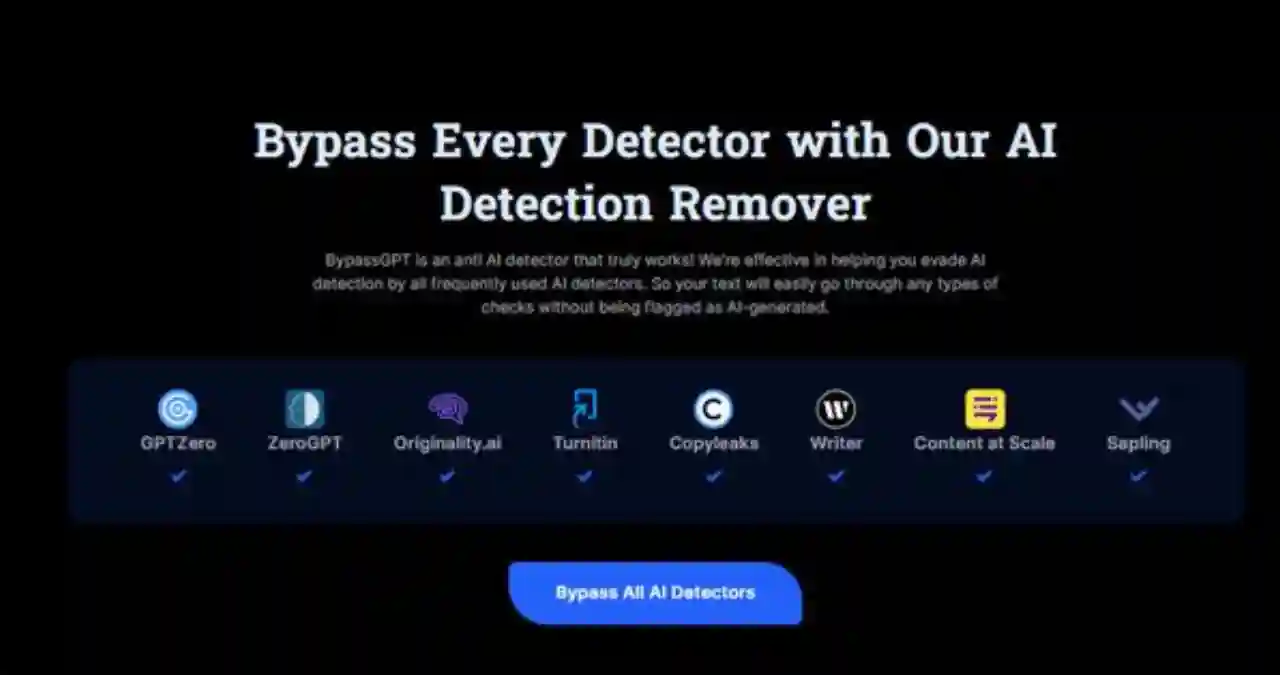
- Using “AI humaniser” tools to hide AI use. They don’t make dishonest work honest, and they can still get caught. I explain why in my BypassGPT review.
How to check ChatGPT’s answers
- Compare with your textbook or class notes.
- Ask for sources, then open them yourself. If a link doesn’t work or doesn’t say what ChatGPT claims, don’t use it.
- Ask it to show its working on maths and science problems, then check each step.
- Be extra careful with dates, statistics and quotes.
What if your work is wrongly flagged as AI?
AI detectors aren’t reliable enough to prove AI use, and they sometimes flag honest work. Keep your drafts and use version history in Google Docs or Word so you can show your process. My guide to whether AI detectors are accurate explains what to do.
Tips for parents and teachers
- Talk openly about what’s allowed rather than banning AI without explanation.
- Encourage study mode and quiz-style use over copy-and-paste answers.
- Ask students to show their process: notes, drafts and how they used AI.
- Remember that ChatGPT’s terms require users to be at least 13, and under-18s need a parent’s or guardian’s permission.
Frequently asked questions
Is it cheating to use ChatGPT for homework? It depends on your school’s rules and how you use it. Using it to learn, quiz yourself or get feedback is often allowed. Submitting its writing as your own usually isn’t.
What is ChatGPT study mode? A ChatGPT feature that guides you through problems with questions and hints instead of giving the answer straight away.
Can teachers tell if I used ChatGPT? Sometimes, from your writing style or drafts, and some use AI detectors. Detectors aren’t reliable, but being honest about how you used AI is always the safest choice.
Is ChatGPT free for students? Yes, there’s a free plan, and study mode is available on it.
Related guides on WebTechHelp
- Google Gemini for students: how to use it for school
- How does ChatGPT generate responses?
- ChatGPT vs Grok
- Are AI detectors accurate?
Sources
- OpenAI: Introducing study mode
- Campus Technology: New ChatGPT study mode guides students through questions (July 2025)
- OpenAI: Terms of use